
Expert Tips for Choosing the Perfect Countertop Material for Your Space
December 16, 2025
The importance of choosing the
perfect countertop extends beyond aesthetics.
Countertops experience constant wear and tear, exposure to heat, moisture, and heavy usage, especially in high-traffic areas like kitchens. Selecting a material that aligns with your lifestyle can improve functionality, reduce maintenance, and enhance the longevity of your investment. This guide provides expert insights, practical considerations, and real-world examples to help you navigate the selection process confidently. Whether you are renovating, building new, or upgrading your space, these tips will empower you to choose a countertop that marries style, practicality, and durability, ensuring a timeless and functional surface.
Understanding Different Countertop Materials
Natural Stone: Granite, Marble, and Quartzite
Durability and Aesthetics
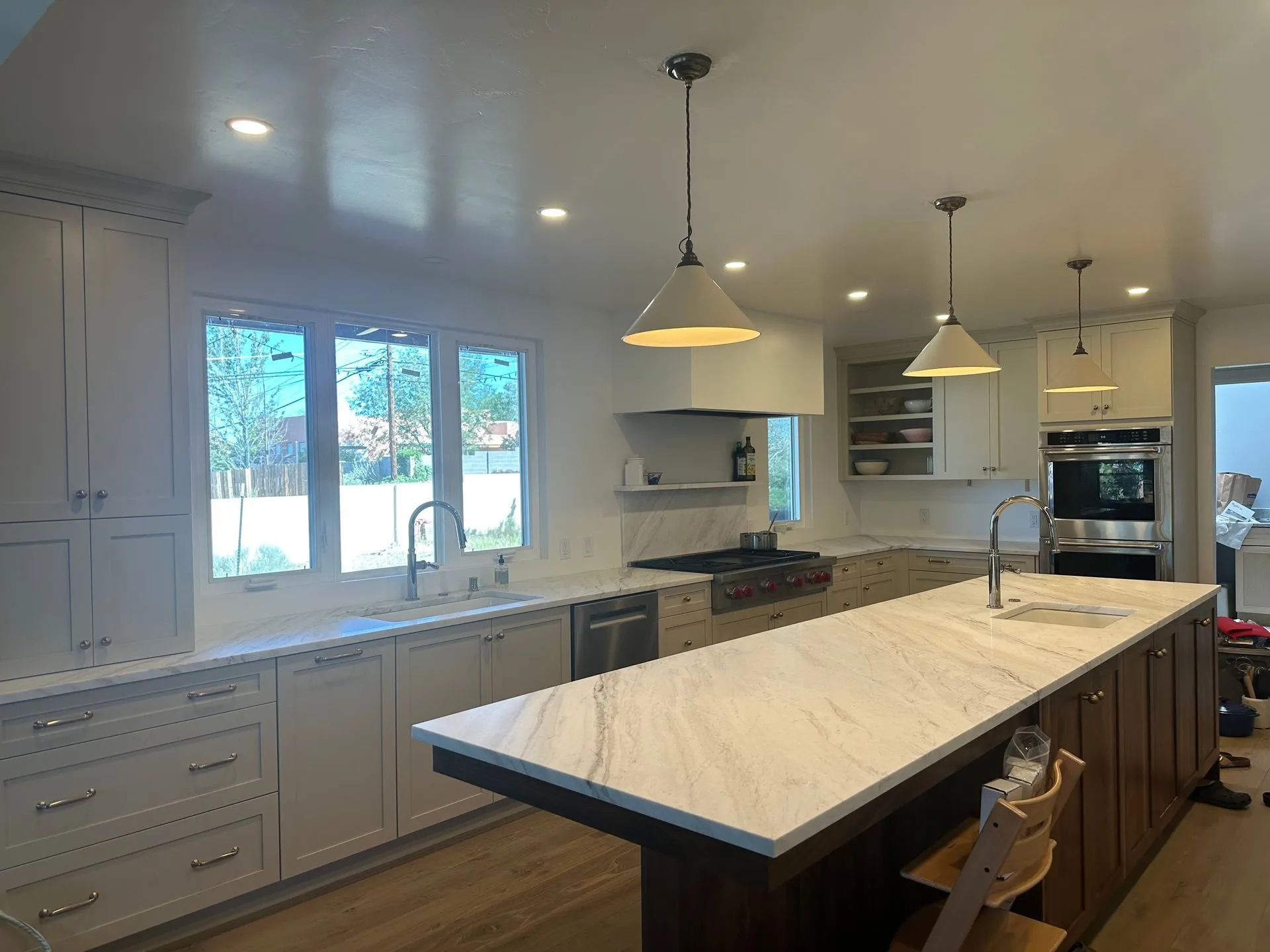
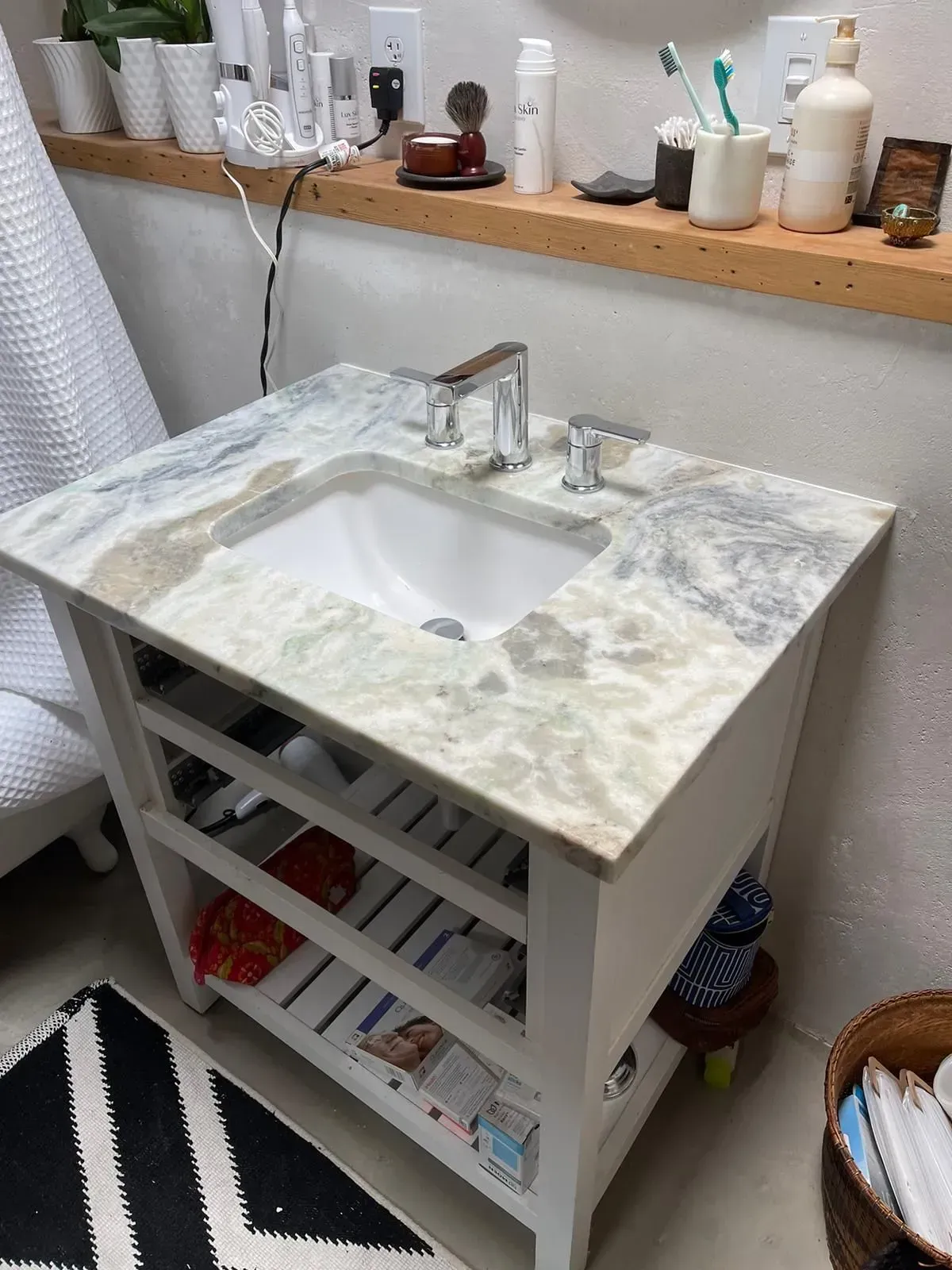
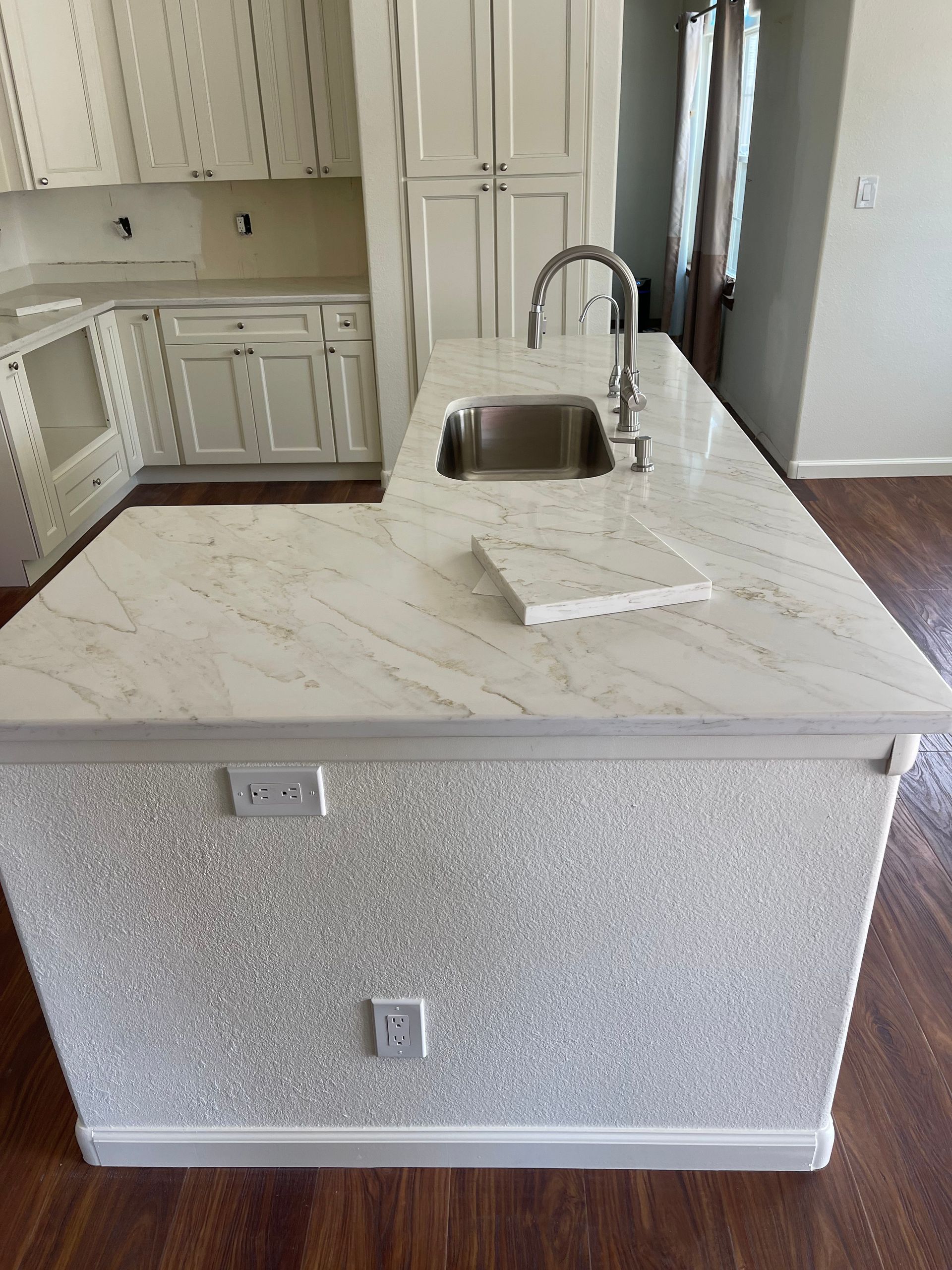
Natural stone remains a top choice for homeowners seeking a luxurious, timeless appeal. Granite offers impressive durability, resisting scratches and heat, while marble provides unmatched elegance with its distinctive veining. Quartzite combines the beauty of marble with the hardness of granite, making it ideal for high-traffic areas. When selecting natural stone, consider the hardness, porosity, and sealing requirements, as these factors influence longevity and maintenance.
Maintenance and Challenges
Marble, although beautiful, is prone to staining and etching, especially in kitchens. Granite is more forgiving but still requires periodic sealing to maintain its luster. Quartzite is naturally resistant to most wear but can be expensive and challenging to source. Real-world scenario: a family with young children may prioritize granite or quartzite over marble due to the higher risk of acidic stains or scratches.
Engineered Surfaces: Quartz and Solid Surface
Consistency and Versatility
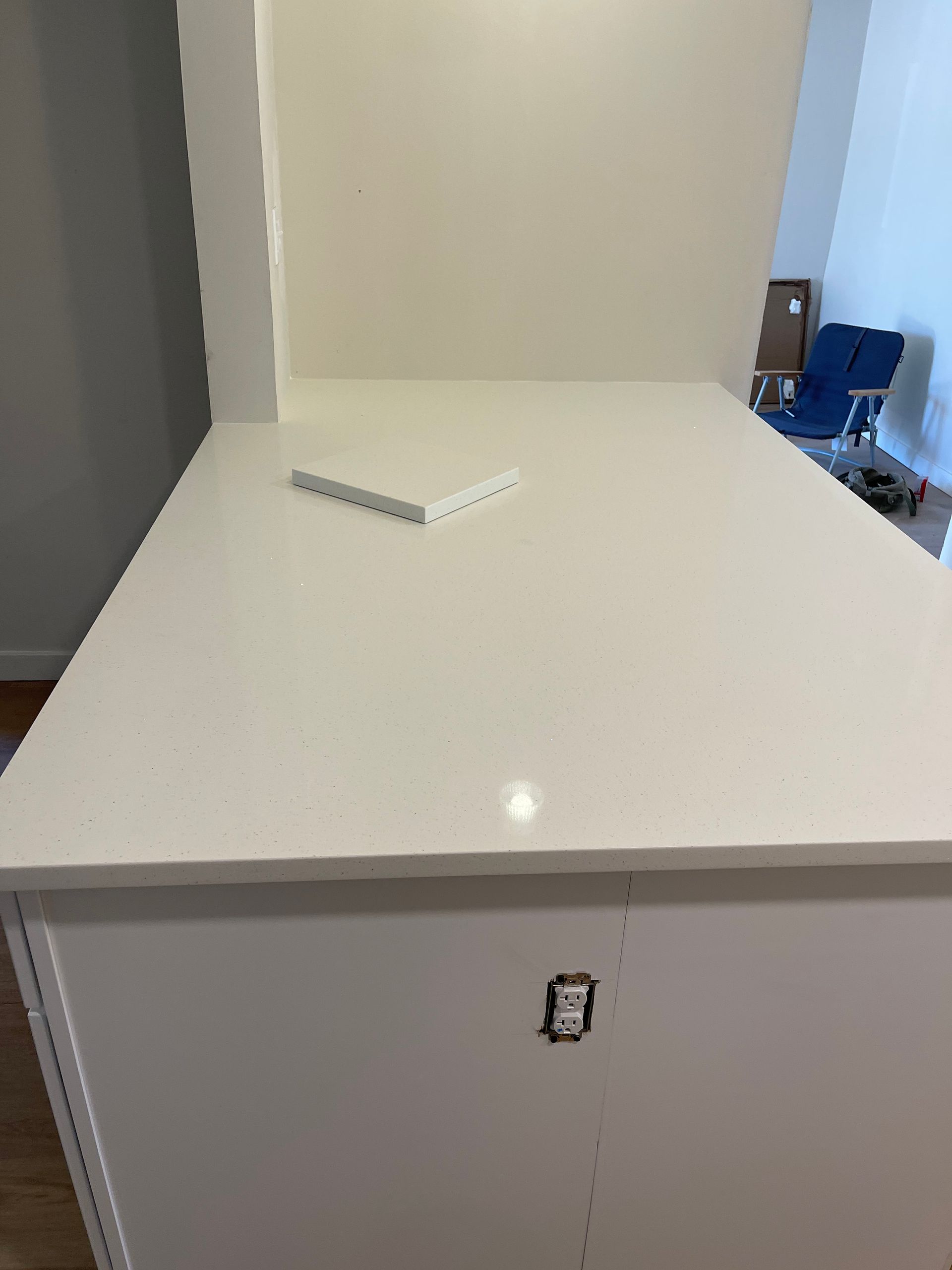
Engineered surfaces like quartz combine natural stone particles with resin, offering uniform patterns and enhanced durability. These countertops are non-porous, resistant to stains, and require minimal maintenance. Solid surfaces, such as Corian, allow seamless integration with sinks and backsplashes, creating a sleek, modern appearance.
Practical Considerations
Quartz is ideal for homeowners seeking low-maintenance, stylish surfaces without compromising resilience. Solid surfaces are versatile and repairable if scratched, but they may not tolerate extreme heat as well as stone. Example: a busy professional kitchen benefits from quartz countertops that withstand daily spills and stains while maintaining a polished look.
Evaluating Functionality and Lifestyle Needs
Daily Usage and Traffic
Durability and Aesthetics
Natural stone remains a top choice for homeowners seeking a luxurious, timeless appeal. Granite offers impressive durability, resisting scratches and heat, while marble provides unmatched elegance with its distinctive veining. Quartzite combines the beauty of marble with the hardness of granite, making it ideal for high-traffic areas. When selecting natural stone, consider the hardness, porosity, and sealing requirements, as these factors influence longevity and maintenance.
Maintenance and Challenges
Marble, although beautiful, is prone to staining and etching, especially in kitchens. Granite is more forgiving but still requires periodic sealing to maintain its luster. Quartzite is naturally resistant to most wear but can be expensive and challenging to source. Real-world scenario: a family with young children may prioritize granite or quartzite over marble due to the higher risk of acidic stains or scratches.
Maintenance Requirements
Cleaning and Upkeep
Each material demands a different level of care. Non-porous engineered surfaces require only routine wiping with mild cleaners. Natural stones may require sealing and careful attention to avoid stains. Assess your willingness to maintain your countertops to ensure longevity.
Long-term Costs
While natural stones may have higher upfront costs, their durability can result in long-term savings. Conversely, engineered surfaces might provide cost-effective maintenance without sacrificing beauty. Example: a homeowner choosing granite might invest more initially but avoid future repairs common with softer materials.
Aesthetic Considerations and Design Impact
Color, Pattern, and Texture
Harmonizing with Your Space
The countertop color and pattern should complement cabinets, flooring, and wall finishes. Neutral tones create a timeless backdrop, while bold patterns can serve as statement pieces. Texture also plays a role; polished surfaces reflect light for a bright, clean look, while matte finishes provide understated elegance.
Visual Balance and Style
Consider scale and proportion. Large veining patterns may overwhelm small kitchens, whereas subtle patterns work in compact areas. Real-world example: a modern kitchen with sleek cabinetry might benefit from a quartz countertop with subtle veining for understated sophistication.
Material Trends and Timelessness
Current Popular Materials
Quartz continues to dominate due to low maintenance and variety, while marble remains a classic for luxury designs. Granite and quartzite are favored for durability and natural appeal. Avoid choosing a material solely because it’s trendy; select one that maintains value and appeal over time.
Integration with Interior Style
Match countertops to the overall interior theme—rustic kitchens pair well with textured stone, contemporary spaces benefit from sleek, engineered surfaces. Example: a farmhouse-style kitchen may opt for honed granite to complement natural wood cabinetry.
Budgeting and Investment Considerations
Cost Breakdown
Material and Installation Costs
Natural stones vary widely in price depending on rarity and sourcing. Granite typically offers mid-range affordability, while marble and exotic quartzite are premium options. Engineered surfaces provide predictable pricing and simplified installation, often reducing labor costs.
Long-term Investment
Durable countertops protect your investment. A well-chosen surface can increase property value and reduce maintenance expenses. Example: a homeowner installing quartz countertops experiences minimal staining and easy upkeep, justifying higher initial costs through long-term convenience.
Comparing Return on Investment
Resale Value
High-quality countertops improve market appeal. Granite and quartz are widely recognized as valuable features, whereas damaged or low-quality surfaces can detract from property value. Strategic investment in durable, attractive materials offers both functional and financial benefits.
Cost-effective Alternatives
Solid surface materials offer affordability with aesthetic versatility. Laminate can mimic stone patterns but may not withstand heavy wear. Carefully balance budget constraints with long-term usability to maximize satisfaction.
Expert Tips for Decision-Making
Sampling and Visualization
Request Material Samples
Always view samples in your actual space. Lighting, surrounding colors, and cabinet finishes influence how a countertop appears. Example: a white quartz slab may appear brighter under natural light than in artificial lighting.
Virtual Design Tools
Many manufacturers provide visualization software to simulate different countertop options in your space. This helps narrow choices and ensures harmony with the overall design.
Prioritizing Practical Needs
Identify Key Requirements
Decide what matters most—heat resistance, scratch resistance, stain resistance, or maintenance. Rank priorities to guide material selection. Example: a culinary enthusiast may prioritize heat tolerance, while a family with young children may focus on scratch and stain resistance.
Consulting Experts
Professional guidance ensures material quality, proper installation, and accurate cost estimation. Experienced countertop specialists can recommend solutions based on lifestyle, usage, and design objectives.
Environmental and Sustainability Considerations
Eco-friendly Materials
Natural vs. Engineered
Natural stone is durable but requires energy-intensive quarrying. Engineered quartz uses recycled materials and can reduce environmental impact. Understanding sourcing and production methods helps make environmentally responsible choices.
Recycled and Sustainable Options
Countertops made from recycled glass, composite materials, or sustainable stone offer eco-conscious alternatives without compromising durability or aesthetics. Real-world scenario: homeowners seeking sustainability may select recycled quartz, combining eco-friendliness with long-lasting performance.
Lifespan and Waste Reduction
Durability Matters
Long-lasting countertops reduce waste from replacement. Stone and engineered materials often last decades when properly cared for. Selecting high-quality surfaces supports both environmental and financial sustainability.
Maintenance and Longevity
Materials with minimal upkeep reduce the need for harsh chemicals, preserving both the countertop and the surrounding environment. Choosing surfaces that endure daily use aligns with green living principles while maintaining style.
Installation and Professional Guidance
Choosing the Right Installer
Experience and Expertise
Professional installation is crucial to maximize durability and prevent issues such as uneven surfaces, cracking, or improper sealing. Experienced installers understand material-specific requirements and provide quality assurance.
Installation Challenges
Materials vary in weight, cutting requirements, and joining techniques. Natural stones like granite require precision to prevent chipping, while engineered surfaces demand accurate templating. Example: a heavy granite slab needs a reinforced countertop base and professional handling to avoid damage.
Planning for Future Upgrades
Flexibility and Adaptability
Consider future design changes. Modular countertops or engineered surfaces may allow easier replacement or customization compared to permanent natural stone installations. This foresight ensures your space can adapt over time without major disruptions.
Long-term Satisfaction
Combining professional installation with careful material selection ensures long-lasting beauty, functionality, and minimal maintenance, enhancing daily usability and overall satisfaction.
Key Takeaways for Selecting Ideal Countertop Materials
Choosing the perfect countertop material is a strategic decision that balances style, durability, and functionality. By understanding the strengths and limitations of natural stone, engineered surfaces, and solid materials, you can select a surface that complements your lifestyle and interior design vision. Prioritizing daily usage, maintenance requirements, and aesthetic goals ensures your investment provides both visual appeal and practical benefits for years to come. Evaluating costs, sustainability, and installation considerations further solidifies your choice, creating a space that is both beautiful and functional.
M&R Marble & Granite LLC, based in Albuquerque, NM, brings 25
years of experience in helping homeowners and businesses select the ideal countertop materials for their spaces. With a focus on quality, precision, and customer satisfaction, our team provides expert guidance from material selection to professional installation. We pride ourselves on delivering durable, stylish countertops that elevate the beauty and functionality of any space. Whether you are remodeling your kitchen, upgrading your bathroom, or planning a custom project, we ensure every countertop we install reflects exceptional craftsmanship, long-lasting quality, and tailored solutions to suit your lifestyle and design vision.