
How to Choose the Perfect Quartz Countertop for Your Kitchen or Bathroom
March 9, 2026
1. Understanding Quartz Countertops
What Quartz Is and How It’s Made
Quartz countertops are engineered stone surfaces composed primarily of natural quartz crystals combined with resins and pigments. Unlike natural stone, such as granite or marble, engineered quartz is manufactured under strict quality controls, offering a consistent look and enhanced performance. This process allows manufacturers to create a wide range of colors and patterns that may not exist in natural stone while maintaining the inherent strength of quartz.
Advantages Over Other Materials
Quartz countertops provide several advantages over natural stone or laminate options. They are non-porous, which means they resist stains, bacteria, and moisture, making them ideal for kitchens and bathrooms. Unlike granite, quartz does not require sealing, significantly reducing maintenance requirements. Additionally, engineered quartz surfaces can mimic the appearance of high-end stones like marble without the fragility associated with natural veining.
Real-World Scenario
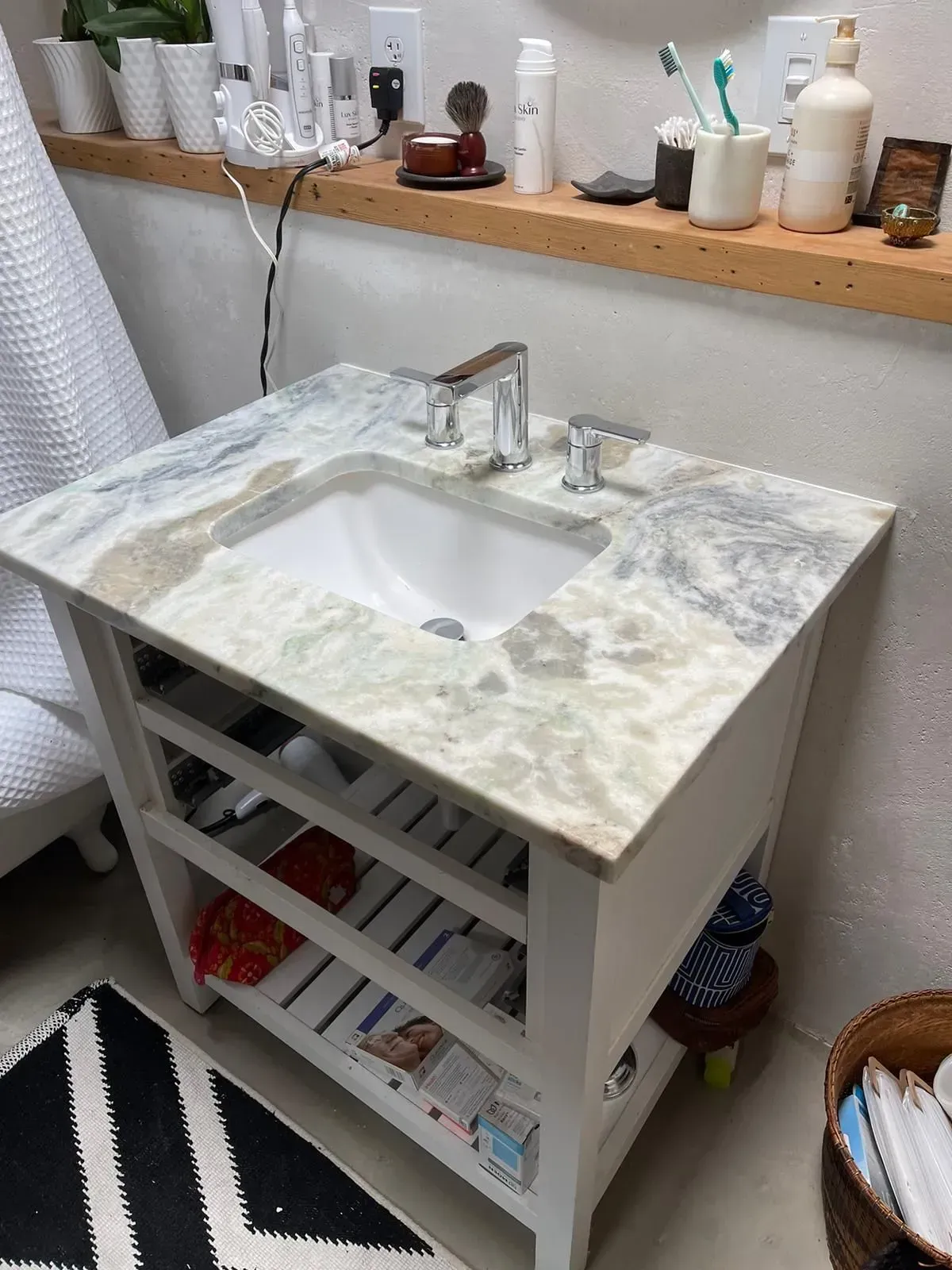
For example, a busy family kitchen can benefit from a quartz countertop because it withstands heavy meal prep, accidental spills, and frequent cleaning without compromising appearance. In bathrooms, quartz is ideal for vanity tops because it resists water absorption, reducing the risk of mold or mildew around sinks and faucets.
2. Evaluating Aesthetic Options
Color Selection
One of the first considerations when choosing a quartz countertop is color. Quartz is available in a broad spectrum, from neutral shades like white, gray, and beige to bold colors such as deep blues, greens, and blacks. When selecting a color, consider the overall design theme of your kitchen or bathroom, including cabinetry, flooring, and wall finishes. Lighter tones can make smaller spaces feel open and airy, while darker shades offer dramatic contrast and a sense of luxury.
Pattern and Veining
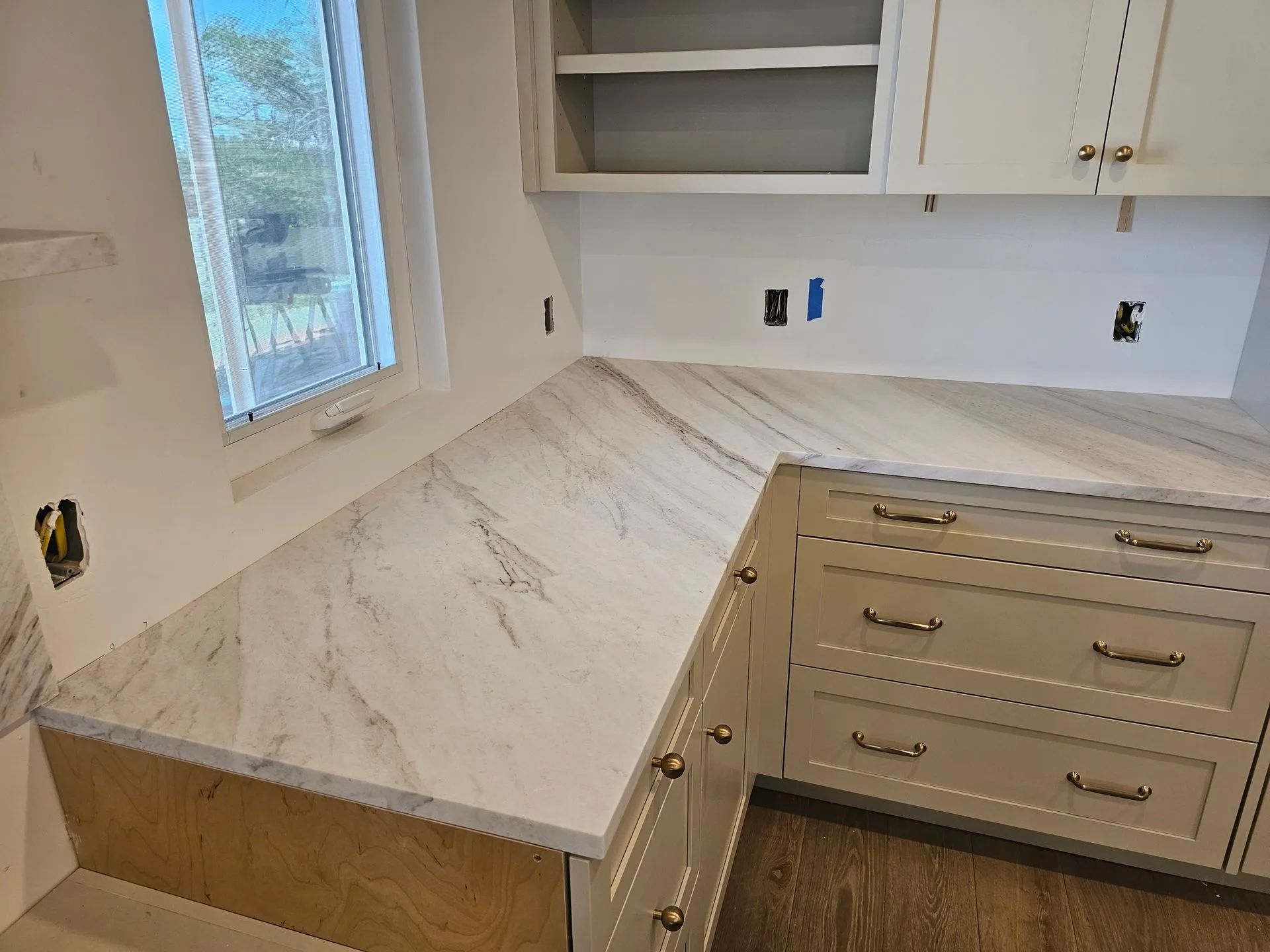
Quartz countertops can feature uniform patterns or intricate veining that mimics marble or granite. Deciding between subtle or bold veining depends on your personal style and the desired visual impact. For instance, a minimalist kitchen may benefit from clean, solid colors, whereas a classic or contemporary design may be enhanced by dynamic veining that becomes a focal point.
Surface Finish and Texture
Quartz comes in various surface finishes, including polished, honed, and textured options. Polished surfaces offer a glossy, reflective appearance that emphasizes color vibrancy, while honed finishes provide a matte, understated elegance. Textured finishes can add tactile interest and reduce the visibility of fingerprints or water spots. Selecting the right finish involves balancing aesthetics with practicality, especially in high-traffic areas.
Practical Tip
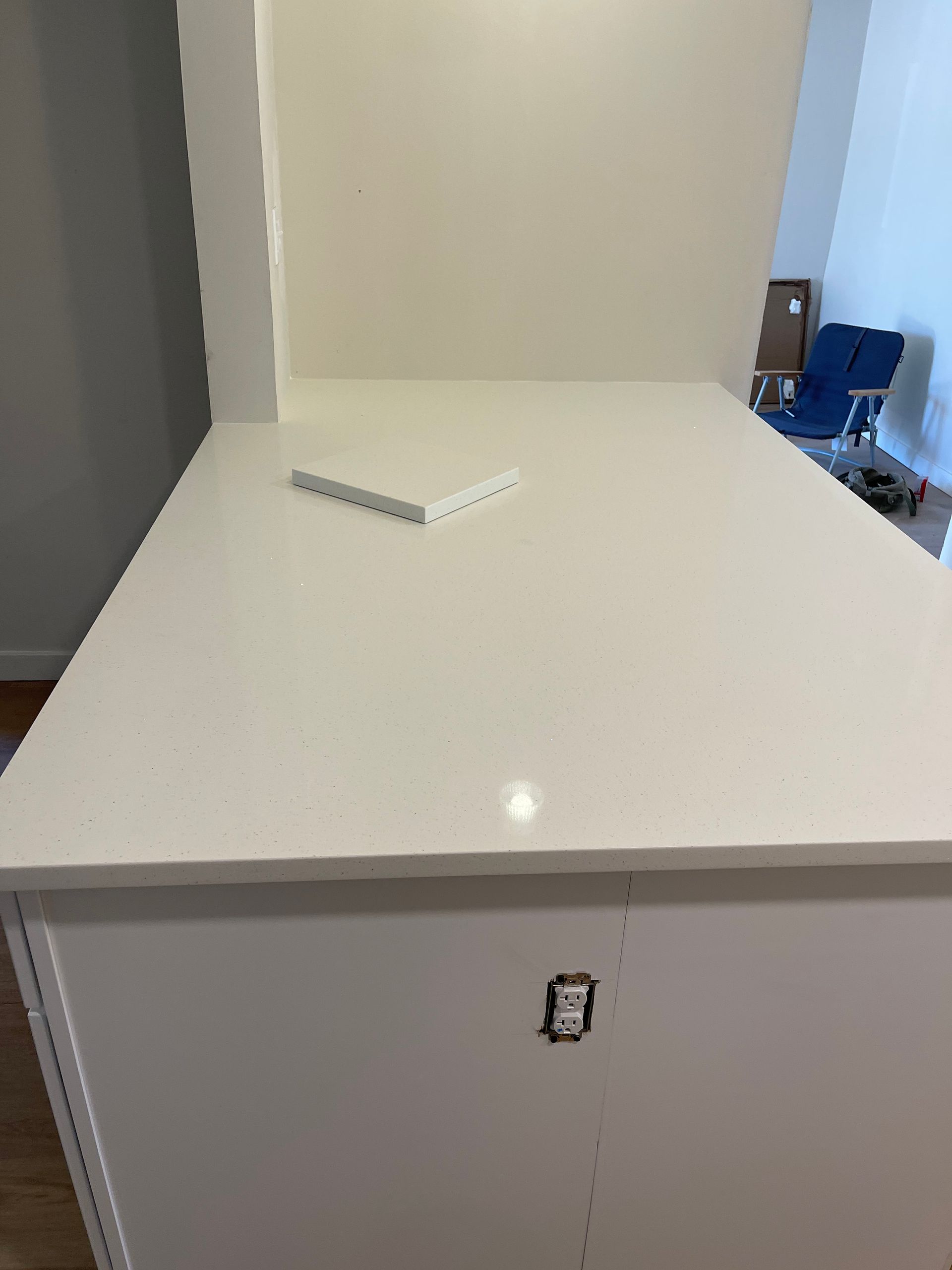
Always request full-sized slabs or samples when evaluating color and pattern. Small chips or samples can misrepresent the actual look of the installed countertop, so viewing the full slab in your space is critical to ensure color harmony and pattern alignment.
3. Considering Durability and Performance
Resistance to Scratches and Chips
Quartz is highly durable, but it is not completely impervious to damage. High-quality quartz can resist scratches from knives and other kitchen tools, but it is still advisable to use cutting boards for food preparation. Edge profiles and corners are more susceptible to chipping, so opting for rounded edges can enhance durability in busy areas.
Heat and Thermal Resistance
While quartz is heat-resistant to a degree, sudden extreme heat from pots, pans, or curling irons in bathrooms can damage the resin that binds the stone. Using trivets or heat pads is recommended to protect the surface. Some manufacturers offer enhanced heat-resistant quartz, which may be worth considering in heavily used kitchens.
Stain and Chemical Resistance
The non-porous nature of quartz makes it resistant to stains from common household substances such as coffee, wine, and soap. However, exposure to harsh chemicals, acetone, or strong bleach can degrade the surface. Cleaning with mild soap and water or manufacturer-recommended products ensures longevity and appearance retention.
Real-World Scenario
Consider a household with children and pets. A quartz countertop with a polished finish and subtle veining can hide minor scratches and spills while remaining easy to clean. In a bathroom, a matte honed finish can minimize the visibility of water spots around sinks, making daily upkeep simpler.
4. Understanding Maintenance Requirements
Routine Cleaning Practices
One of quartz’s most appealing features is low maintenance. Daily cleaning requires only a soft cloth and mild detergent, avoiding abrasive pads that can dull the surface. Routine care ensures that the countertop retains its luster and prevents accumulation of residues that could affect appearance.
Avoiding Common Mistakes
Many homeowners unknowingly damage quartz by placing hot cookware directly on the surface, using harsh cleaners, or allowing prolonged contact with acidic substances. Education on proper care extends the life of the countertop and preserves both functionality and aesthetic appeal.
Long-Term Maintenance Benefits
Unlike natural stones that require periodic sealing, quartz maintains its protective properties throughout its lifespan. The combination of non-porous construction and durability reduces long-term costs, making quartz a wise investment for both kitchens and bathrooms.
5. Matching Countertops with Design Elements
Cabinetry and Flooring Integration
A successful countertop selection considers not only the countertop itself but also how it complements cabinetry and flooring. Contrasting colors can create visual interest, while matching tones offer a cohesive, harmonious look. Designers often suggest testing swatches in natural light to see how the colors interact with existing design elements.
Coordinating Fixtures and Hardware
Quartz countertops should also align with the style and finish of sinks, faucets, and other fixtures. Brushed nickel, matte black, or chrome hardware can dramatically alter the overall feel, so coordinating materials ensures a polished, professional appearance.
Edge Profiles and Functional Design
The edge profile contributes both aesthetically and functionally. Options include straight, beveled, bullnose, or waterfall edges. Choosing an edge that complements cabinetry while minimizing potential damage or wear enhances both style and performance.
Real-World Scenario
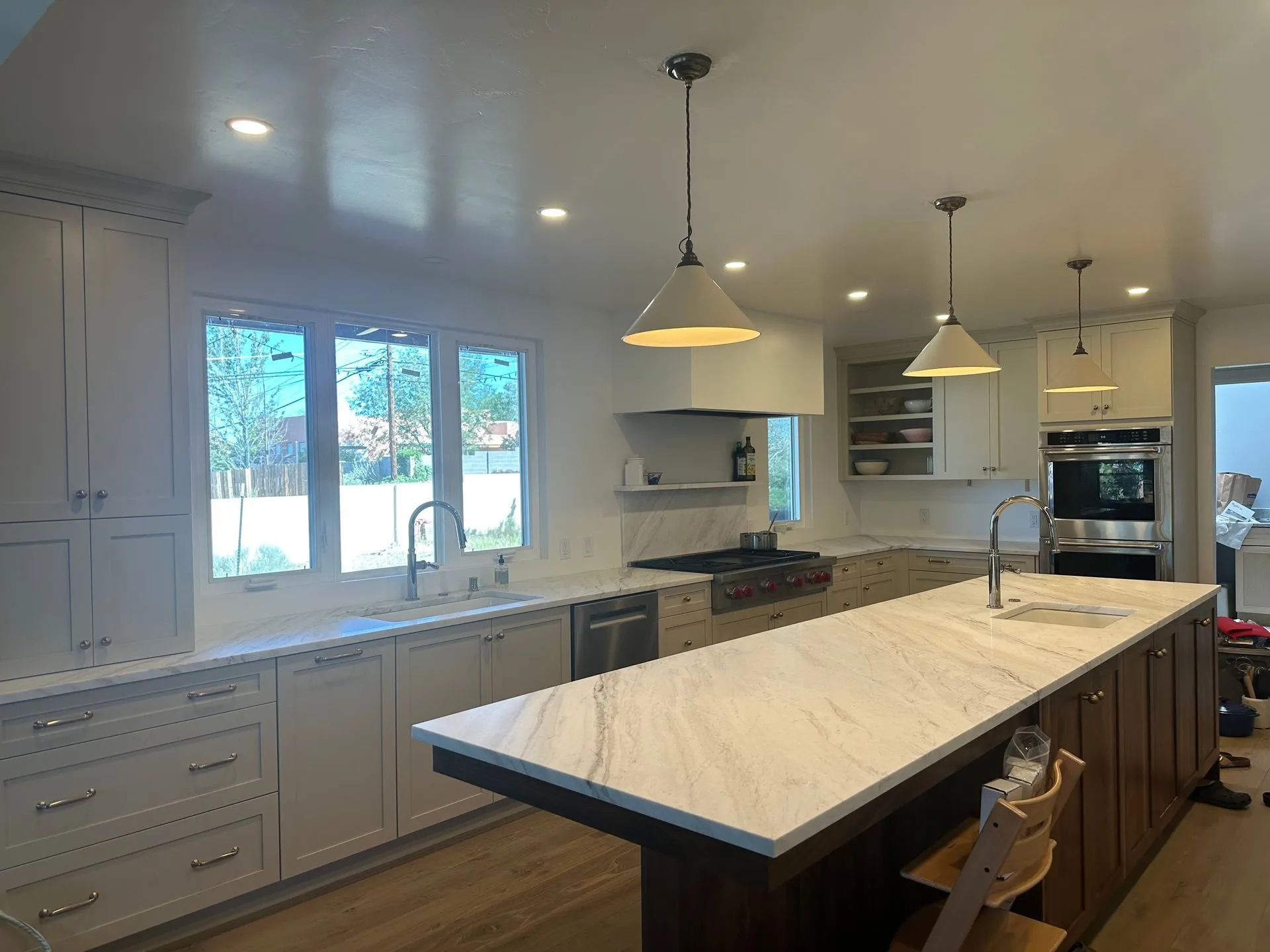
A homeowner installing a white quartz countertop in a kitchen with dark wood cabinets may choose a polished finish and subtle veining. This combination balances contrast, highlights the quartz, and integrates seamlessly with stainless steel appliances and brushed nickel fixtures, creating a sophisticated, cohesive space.
6. Budget Considerations and Value
Assessing Cost Factors
Quartz countertops vary in price depending on color, pattern complexity, slab thickness, and brand. Exotic colors and intricate veining patterns generally come at a premium. Additional factors include fabrication and installation costs, which can differ based on edge profiles and customization requirements.
Return on Investment
Investing in high-quality quartz can increase both aesthetic appeal and home resale value. Potential buyers often view quartz countertops as a premium feature that adds durability, style, and low maintenance convenience—attributes that can justify higher property valuation.
Balancing Quality and Affordability
While cost is an important consideration, compromising on quality can lead to surface defects, fading, or reduced longevity. Prioritizing slabs with consistent quality and reliable manufacturer warranties ensures your investment meets both functional and aesthetic expectations.
Trusted Albuquerque Experts for Premium Quartz Countertops
Selecting the ideal quartz countertop for your kitchen or bathroom requires careful evaluation of multiple factors, including color, pattern, finish, durability, maintenance, and integration with overall design. By understanding the nuances of engineered quartz, homeowners can make informed decisions that balance beauty, practicality, and long-term value. Prioritizing high-quality materials and professional installation ensures the countertop will remain a striking, functional feature for years to come.
At M&R Marble & Granite LLC, we understand that choosing the perfect quartz countertop is a significant investment that impacts both the functionality and aesthetics of your home. Serving the Albuquerque, NM community for over 25
years, our team combines industry expertise with personalized service to help homeowners make informed decisions. We guide clients through the entire process—from selecting the ideal color, pattern, and finish to ensuring precise fabrication and installation—ensuring your countertops enhance your space while meeting practical needs. Our extensive experience allows us to recommend surfaces that withstand everyday wear, resist stains and scratches, and complement your design vision seamlessly. Whether you are upgrading your kitchen, renovating a bathroom, or building a new home, M&R Marble & Granite LLC
is committed to delivering high-quality quartz countertops that stand the test of time. With a focus on professionalism, attention to detail, and customer satisfaction, we provide solutions that transform your home and elevate its value. Trust us to make your quartz countertop selection process effortless and rewarding.