
Granite, Quartz, Marble, or Quartzite? How to Pick the Right Countertop Stone
July 4, 2026
Natural Stone vs Engineered: The First Fork
How the Main Stones Actually Behave
Within those categories, each stone has a personality. Knowing how each behaves day to day is the heart of choosing well.
Granite
A natural stone that is hard, durable, and heat-resistant, with the unique veining and color of real stone. It is porous, so it needs sealing to resist stains, but once sealed and maintained, it stands up well to the demands of a busy kitchen. Granite is a longtime favorite for good reason: it is tough and natural.
Quartz (engineered)
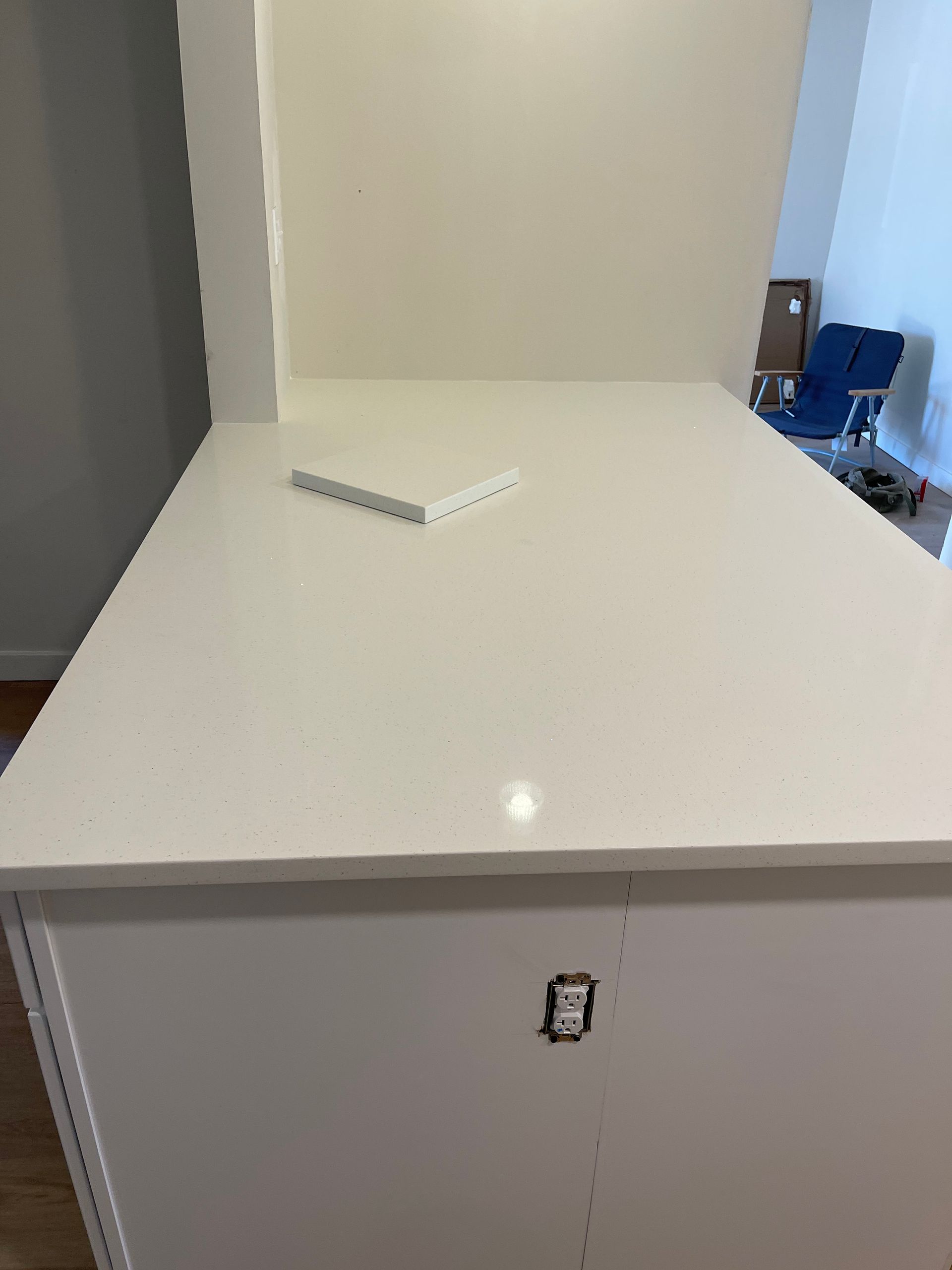
Very durable and, because it is non-porous, very low-maintenance, no sealing, and it resists staining well. It comes in consistent colors and patterns, including marble looks. Its main caution is heat: quartz contains resins that can be damaged by high heat, so hot pans straight from the stove are a risk. Great for those who want easy care and a predictable look.
Marble
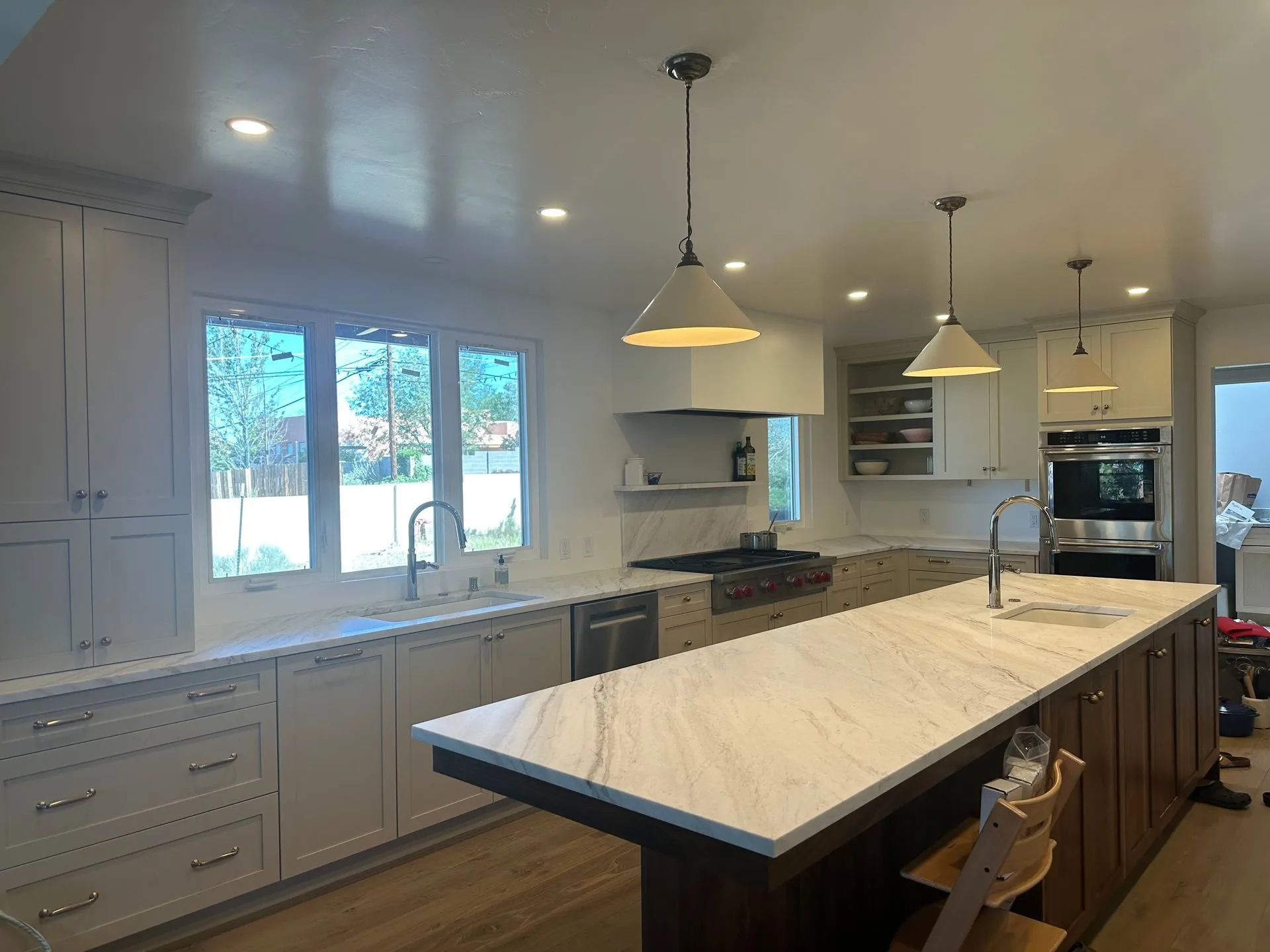
A natural stone prized for its classic, elegant beauty and soft veining, nothing quite matches its look. But marble is softer and more delicate: it is prone to etching (dull marks from acids like lemon, vinegar, or wine) and staining, and it scratches more easily. It rewards those who love its look and accept the patina and care that comes with living on marble.
Quartzite
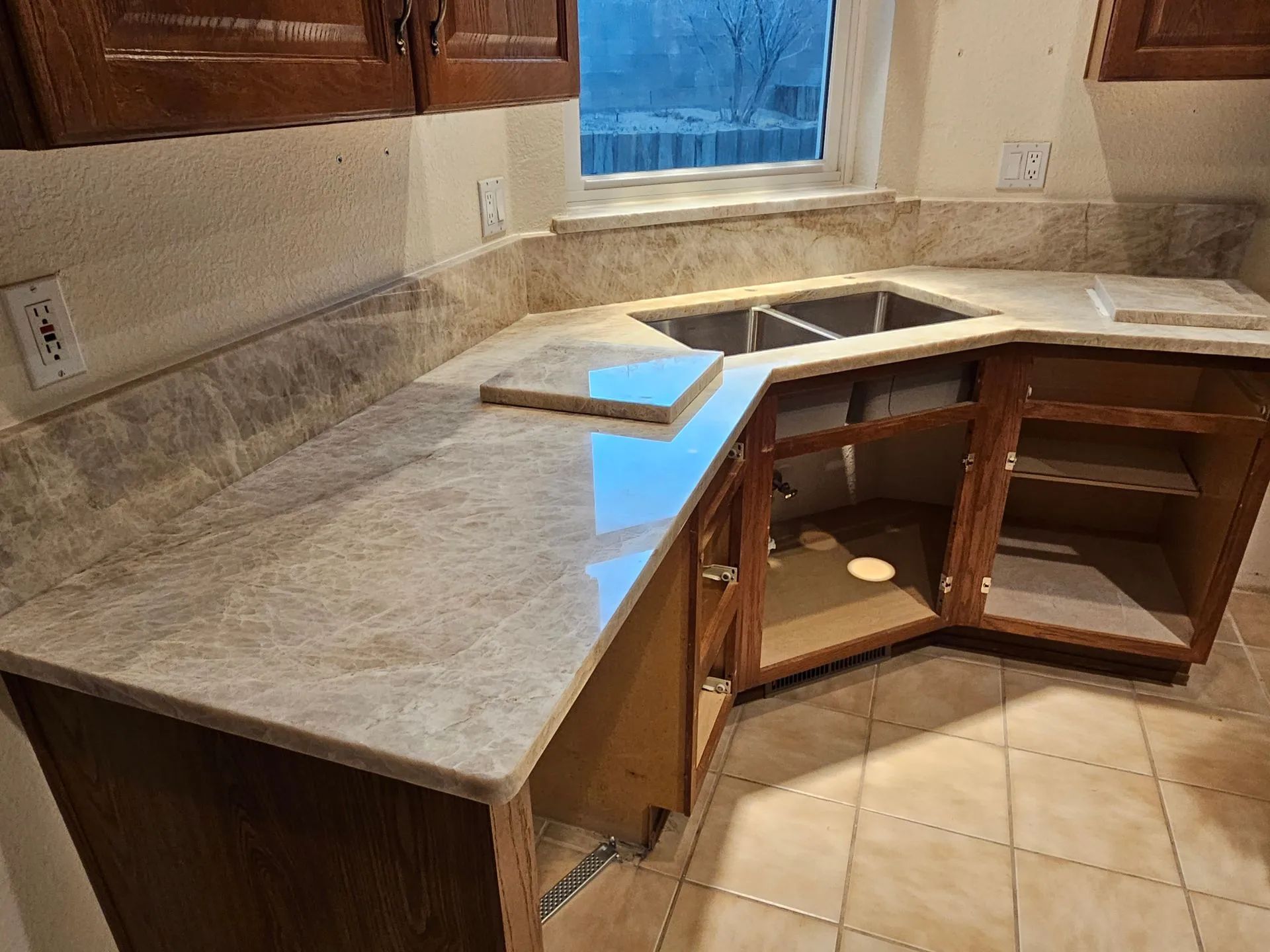
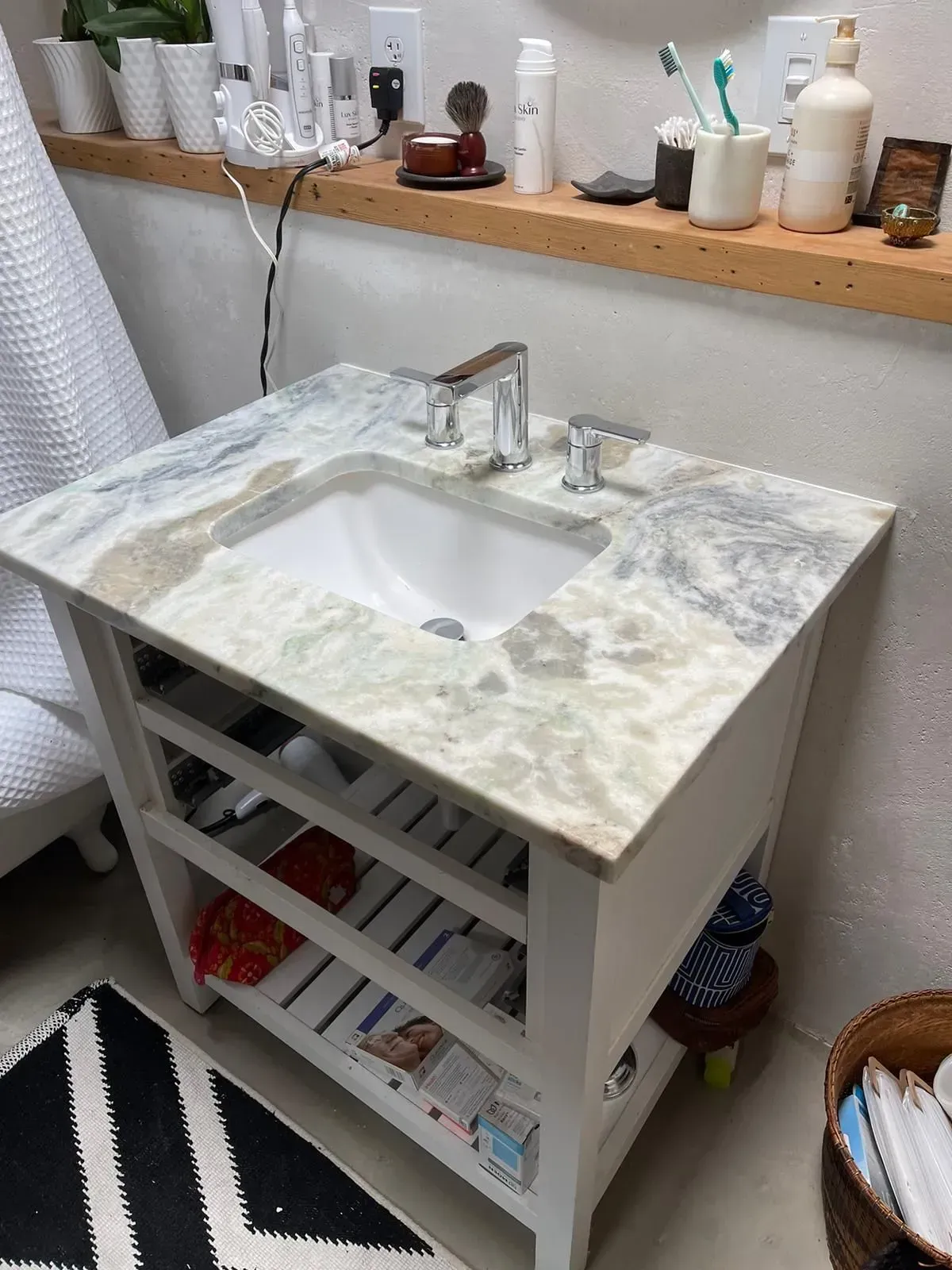
A natural stone (not to be confused with engineered quartz) that is very hard and durable, often as tough as or tougher than granite, while offering a look that can resemble marble. It is natural and porous, so it needs sealing, but it gives much of marble's elegance with far more durability. For people drawn to a marble look but worried about marble's softness, quartzite is often the answer.
The pattern here is a trade-off between durability, maintenance, and looks. Quartz is easiest to care for; granite and quartzite are hard and durable natural stones; marble is the most beautiful to many eyes but the most demanding. None is simply "best", each fits a different set of priorities.
Tip:
Before you fall for a slab, think honestly about how your kitchen actually gets used. Do you cook a lot, with hot pans, acidic ingredients, and spills? Is it a busy family kitchen where low maintenance matters, or a showpiece where looks lead? Are you willing to seal natural stone periodically and wipe up spills promptly, or do you want to never think about it? Your honest answers point straight to the right category, durable natural stone, easy-care quartz, or high-care marble, before you ever pick a color.
Matching the Stone to How You Live
With how the stones behave in mind, choosing comes down to matching them to your real priorities. A few common scenarios make it concrete.
You want low maintenance above all
Quartz is the natural fit: non-porous, no sealing, easy to clean, and stain-resistant, ideal for a busy household that does not want to fuss over the counters, as long as you protect it from high heat.
You want a tough, natural stone for a hard-working kitchen
Granite or quartzite, both hard, durable natural stones that handle daily use well (with periodic sealing). Quartzite is especially durable; granite is a proven, classic choice.
You love the marble look
If you want true marble's beauty and accept its care needs, marble delivers like nothing else. If you love the look but want more durability and less worry, quartzite (natural) or a marble-look quartz (engineered, low-maintenance) gets you the aesthetic with easier living.
Looks lead, but you still cook
Many people land on quartzite or a quality quartz, getting a high-end look that also stands up to real use, the middle ground between marble's beauty and quartz's practicality.
The theme is that the best stone is personal. It depends on the balance you want between durability, maintenance, and appearance, and on how you actually use the space. A knowledgeable fabricator helps by understanding those priorities and steering you to the stones that fit, rather than just the prettiest slab on the floor. That guidance is what turns an overwhelming choice into a confident one.
Warning:
Be cautious about choosing a countertop stone on looks alone without considering how it behaves. Putting delicate marble in a heavy-use family kitchen, or assuming engineered quartz can take a hot pan straight off the burner, leads to disappointment, etching, staining, or heat damage, that the right expectations would have prevented. And remember that natural stones (granite, marble, quartzite) are porous and need sealing and prompt spill cleanup to perform. Matching the stone to your real use, not just your eye, is what keeps you happy with it for years.
Frequently Asked Questions
What's the difference between granite, quartz, marble, and quartzite?
Granite, marble, and quartzite are natural stones quarried from the earth, each slab unique and porous (needing sealing). Quartz is engineered from crushed quartz and resin, making it consistent and non-porous (no sealing). Granite and quartzite are hard and durable; marble is beautiful but softer and prone to etching; quartz is low-maintenance but can be damaged by high heat. They differ in durability, care, and look.
Is quartz the same as quartzite?
No, and the names confuse a lot of people. Quartz is an engineered, manufactured stone (crushed quartz plus resin), consistent and non-porous. Quartzite is a natural stone quarried from the earth, very hard and often marble-like in appearance, and porous so it needs sealing. They sound alike but are quite different products with different care and behavior.
Which countertop stone is the most durable?
Granite and quartzite, both hard, natural stones, are among the most durable, with quartzite often being especially tough. Quartz is also very durable and the easiest to maintain, though its resin makes it vulnerable to high heat. Marble is the least durable of the group, softer and more prone to etching and scratching. The "most durable" choice depends on whether heat or scratching is your bigger concern.
Which stone needs the least maintenance?
Quartz, because it's engineered and non-porous, it doesn't need sealing and resists stains, so it's the lowest-maintenance option. Natural stones (granite, marble, quartzite) are porous and need periodic sealing and prompt cleanup of spills. If minimal upkeep is your top priority, quartz is usually the answer, as long as you protect it from hot pans.
I love marble but worry about upkeep. What are my options?
You have two good paths. Quartzite is a natural stone that can resemble marble but is much harder and more durable (it still needs sealing). Marble-look quartz is engineered, giving you the aesthetic with very low maintenance and no sealing. Both let you get marble's look with easier living, the choice between them comes down to whether you want natural stone or engineered, and how you use the kitchen.
Will hot pans hurt my countertops?
It depends on the stone. Granite and quartzite are natural stone and heat-resistant. Quartz, however, contains resins that high heat can damage, so you shouldn't set hot pans directly on it, use trivets. Marble is natural stone but better protected from thermal shock and acids with care. Knowing your stone's heat behavior is part of choosing and living with it well.
How do I actually decide which one to get?
Start with how you use your kitchen and what you value, durability, low maintenance, or looks, then match that to the stone category: easy-care quartz, tough natural granite or quartzite, or high-care marble. Then choose the specific slab for its look. A knowledgeable fabricator can guide you to the stones that fit your priorities, which turns an overwhelming choice into a confident one.
The Right Stone Is the One That Fits You
Granite, quartz, marble, and quartzite are all beautiful, but they behave very differently, natural versus engineered, hard versus delicate, low-maintenance versus high-care. There is no single best stone, only the best fit for how you cook, clean, and live, and the balance you want between durability, upkeep, and looks. Understanding how each option actually performs, especially in New Mexico's dry, sunny, hard-water conditions, lets you choose with confidence instead of by guesswork. Match the stone to your real life, and you will love your countertops for years, not just on installation day.
Pick the countertop stone that truly fits your kitchen — Granite, quartz, marble, and quartzite all look gorgeous in the showroom but behave very differently in daily use, and choosing on looks alone leads to etching, staining, or heat damage down the road. With 25 years of experience, M&R Marble & Granite LLC provides custom stone countertops for homeowners throughout Albuquerque, NM, helping you choose the right material for the way you actually live before expertly fabricating it to fit your space. Visit to explore the slabs in person and find your perfect match.