
Quartz vs Quartzite: Why the Names Confuse Everyone (and How They Actually Differ)
September 28, 2026
Quick Answer: Quartz is a manufactured countertop material made from crushed natural quartz bound with polymer resin, while quartzite is a natural stone that forms deep underground when sandstone is compressed and heated over millions of years. They share a name because both contain the mineral quartz, but one is a factory product and the other is quarried rock, and that single difference explains most of the gap in how they handle heat, acid, sealing, and long-term wear.
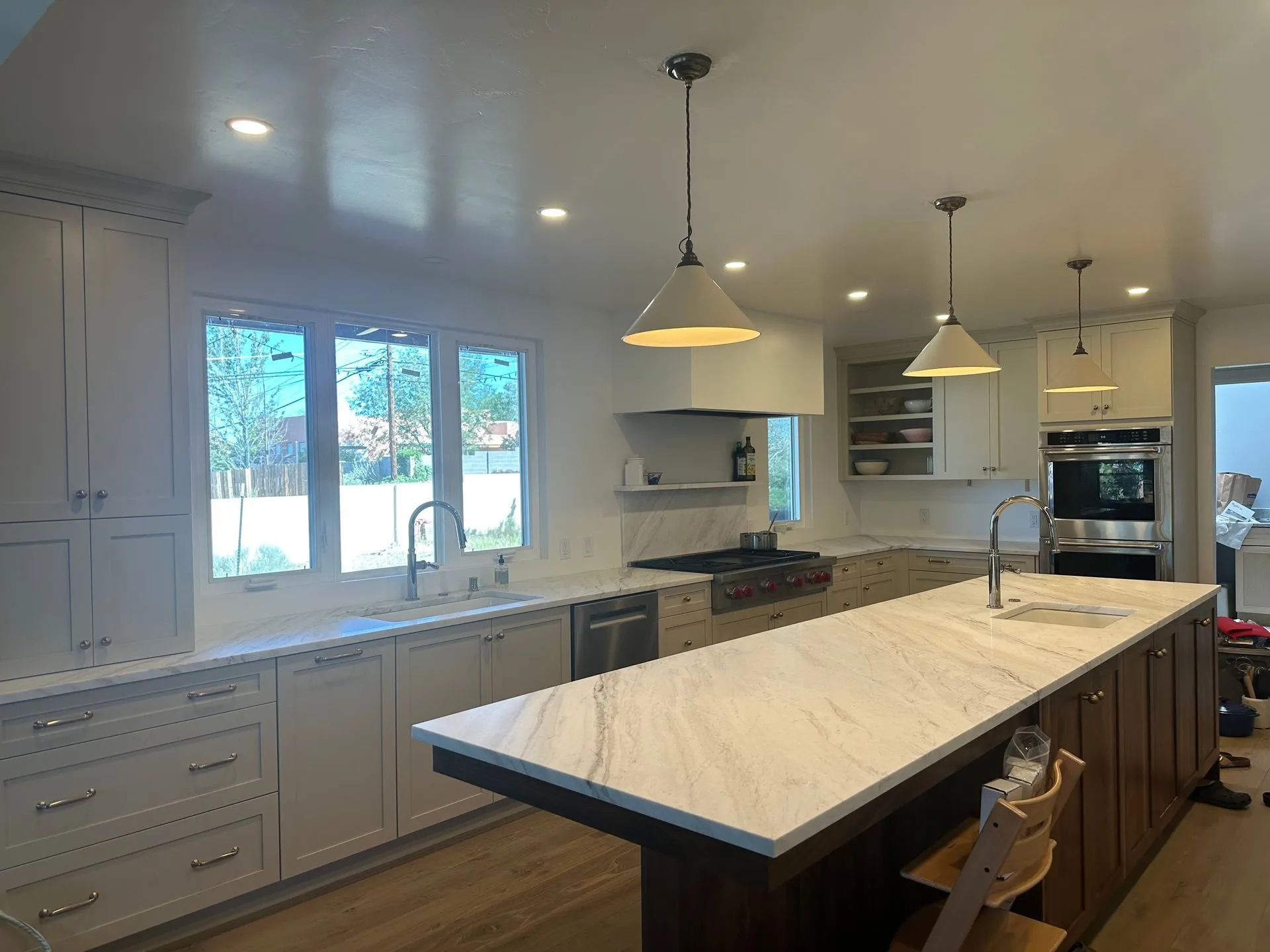
Ask a showroom associate to set quartz and quartzite slabs side by side, and the two sometimes sit closer together than their names suggest they should. One has soft gray veining running through a warm white background. So does the other. Tap on either with a knuckle and it feels cold and solid. Only one of them came out of a quarry.
That's the trap almost every countertop buyer runs into at some point. Quartz and quartzite share a mineral name and, on a good day, a similar look, and the words get used loosely enough by sales staff, contractors, and even some fabricators that plenty of homeowners aren't fully sure which one they signed up for until it's already on the counter. The confusion isn't really about appearance. It comes down to the fact that one of these materials is built in a factory and the other was built by tectonic pressure a long time before anyone thought about kitchens, and that difference is worth sorting out before a slab shows up at your house.
What Quartz Actually Is
Quartz countertops are engineered, not quarried. Manufacturers grind natural quartz crystal down and mix it with polymer resin and pigment, usually somewhere between 90 and 94 percent ground quartz to 6 to 10 percent resin and coloring, then press and cure the mixture into slabs. The resin does more than hold the material together. It fills every gap between the crushed quartz particles, which is why finished quartz is non-porous straight off the production line.
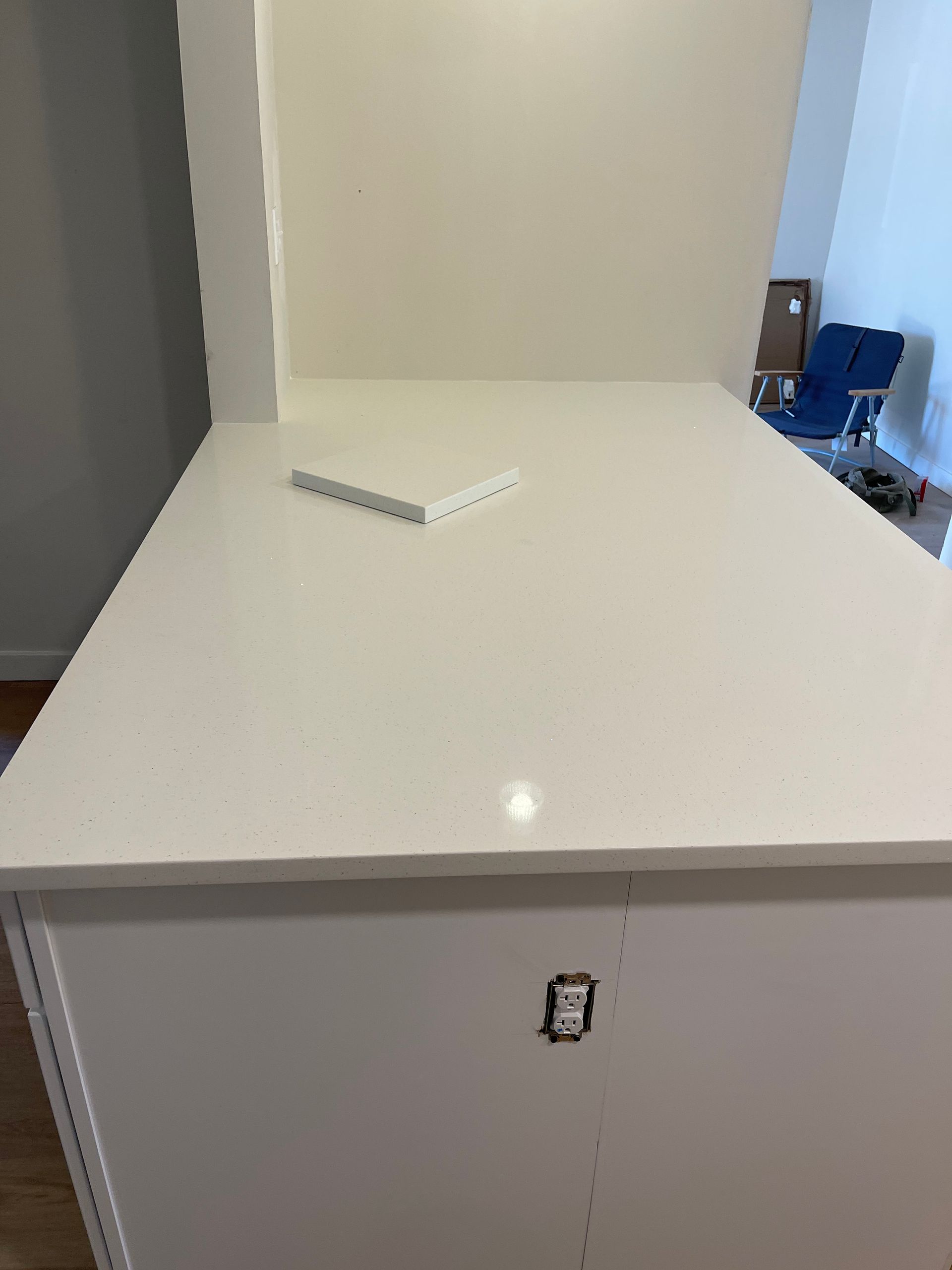
That manufacturing process is also why quartz slabs look the way they do. A factory can dial in a color and pattern and reproduce it slab after slab, which is how quartz ended up available in shades, like true blues and stark uniform whites, that never occur in stone pulled out of the ground. Buy quartz from the same production run and the slab in your kitchen will match the sample you saw almost exactly, something no natural stone can promise.
What Quartzite Actually Is
Quartzite starts as ordinary sandstone. Bury that sandstone deep enough, usually near a converging plate boundary during a mountain-building event, and the heat and pressure down there recrystallize the individual sand grains along with the silica cement holding them together. What comes out the other side is a slab of interlocking quartz crystals fused into a single, continuous network, tough enough that a break runs straight through the crystals instead of around them the way it would in ordinary sandstone.
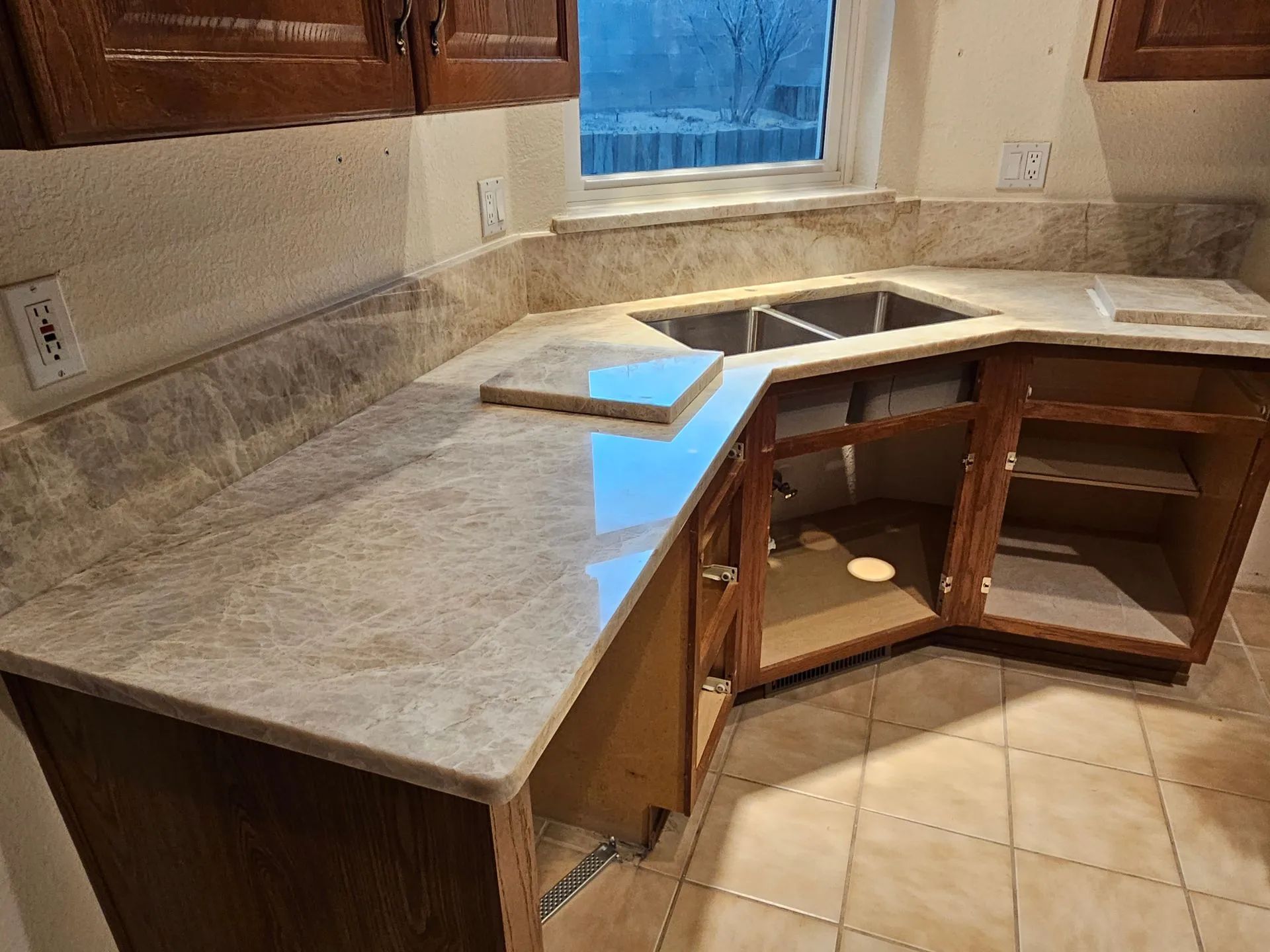
Because quartzite forms this way, it's typically 90 to 99 percent quartz, and because it's a quarried stone rather than a manufactured one, no two slabs match exactly. Trace minerals caught up in the original sandstone show up as color: iron produces pink, red, or rust tones, while other impurities can shift a slab toward yellow, gray-blue, or green. The base tends to run white or gray, and the veining and movement in a given slab depend entirely on what mineral streaks happened to be sitting in that particular bed of rock.
Why the Names Get Confused So Easily
Same root word. Two completely different materials.
Both get their name from the mineral quartz, just for different reasons. Quartz countertops are named for what they're made from, crushed quartz. Quartzite is named for what it is, a rock composed mostly of the mineral quartz. That's a legitimate naming logic on both sides. But it means two very different products walk around wearing almost the same word, and in casual conversation, "quartzite" gets shortened to "quartz" often enough that the distinction blurs fast.
Showroom lighting doesn't help. Polished quartzite can carry a soft, marble-like veining that looks a lot like some of the higher-end quartz patterns designed to mimic natural stone, so a quick glance across a display wall doesn't tell you much.
Warning: Watch for slabs marketed as "soft quartzite." Some suppliers apply the quartzite name to dolomitic marble or other calcite-rich stone that resembles true quartzite but doesn't behave like it, scratching, etching, and staining far more easily. If a "quartzite" sample feels soft or slightly powdery to the touch, or a fabricator can't produce documentation on where it was quarried, treat that as a reason to ask more questions before it goes on order.
Key Differences That Actually Matter Day to Day
Hardness And Scratch Resistance
Quartzite typically scores 7 to 8 on the Mohs hardness scale, hard enough that a genuine piece will scratch glass. Quartz measures around 7 as well, but the resin binder holding it together is softer than pure quartz crystal, so edges and corners on a quartz counter can chip or scuff more easily than the material's marketing usually lets on.
Heat Tolerance
Quartzite handles direct heat close to how granite does, and a hot pan pulled straight off the stove typically won't leave a mark, though any natural stone can still crack under a sudden, extreme temperature swing. Quartz is a different story: the resin that binds it starts to soften at around 300 degrees Fahrenheit, so setting a hot pot or bakeware straight from the oven onto quartz risks scorching, discoloration, or a permanent soft spot. A trivet matters more with quartz than most people expect.
Acid And Etching Resistance
This is where quartzite tends to outperform its reputation. Its crystal structure is chemically inert, so lemon juice, wine, and vinegar sitting on quartzite generally won't etch it the way the same spill would dull a marble counter. Quartz isn't fully immune here either, despite its low-maintenance image. Acid or a high-pH cleaner left sitting on the resin surface can dull it a little, not unlike what nail polish remover does to a laminate counter, a hazy patch that no amount of buffing quite erases. Wipe quartz spills the same way you'd wipe any other counter and it's a non-issue.
Porosity And Sealing
Quartz is sealed for life the moment it leaves the factory. Quartzite isn't. It's still a natural, porous stone underneath all that hardness, so it needs sealing at installation and resealing again down the road, often close to once a year, though denser quartzites can stretch that out longer.
Sun Exposure And Color Stability
Because quartz depends on resin, prolonged direct ultraviolet exposure can gradually yellow or fade the surface, which is a real consideration anywhere the sun sits high and strong for most of the year, and it's a big reason manufacturers generally steer buyers away from installing quartz on a sun-facing patio or an outdoor bar top. Quartzite's mineral structure is UV stable and holds its color under direct sun without fading.
Look And Slab-To-Slab Consistency
Quartz repeats a pattern reliably across a production run, so what you see in the sample is close to what arrives at your house. Quartzite is one of a kind by nature; even two slabs cut from the same block can show noticeably different veining, so seeing the actual slab before installation matters more with quartzite than it does with an engineered product.
Telling Them Apart Before You Buy
Tip: Before you sign off on a slab, ask the fabricator to put in writing which material you're actually buying, quartz or quartzite, rather than relying on a verbal answer. If you want a quick physical check, a genuine quartzite sample is dense and cool to the touch and hard enough to scratch a piece of glass, while quartz feels slightly warmer and more uniform, and a true stone quarry name or lot number should be available for quartzite on request.
New Mexico's dry air and hard, mineral-heavy tap water don't damage either surface directly, but they do make wipe-downs matter more than they might elsewhere. Hard water left to air-dry on quartz can leave faint mineral spots on an otherwise stain-proof surface, and the same water sitting on unsealed quartzite pores can leave marks a fresh sealing coat would have kept out. Neither problem is about the stone failing. It's about matching your cleaning habits to which material is actually on your counter..
Which One Fits Your Kitchen or Bath
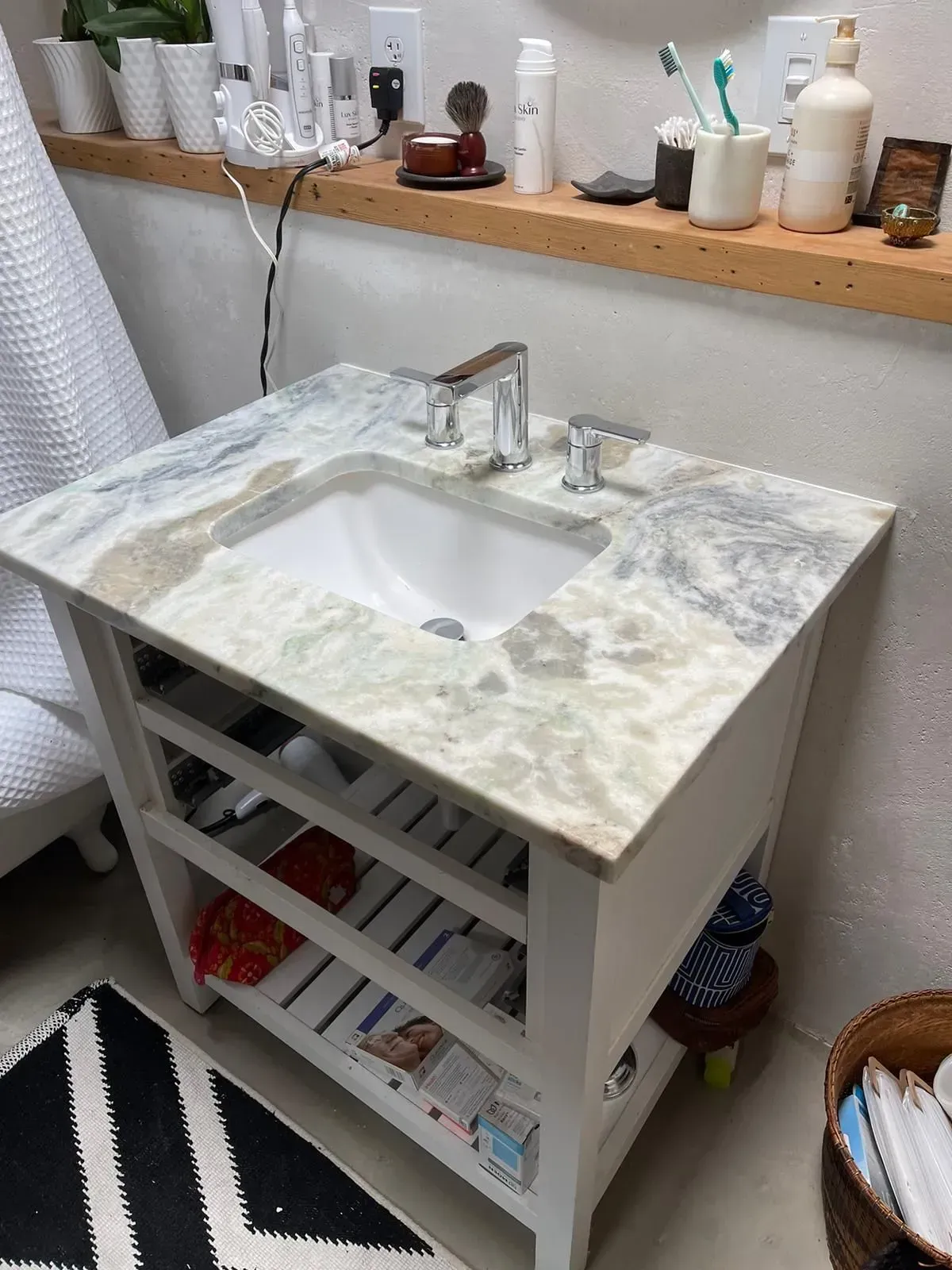
If you run a busy kitchen with a lot of cooking, hot pots, and acidic ingredients, and you want to never think about sealing, quartz is built for exactly that use case, as long as trivets stay within reach. If you're drawn to one-of-a-kind natural veining and you don't mind an annual sealing routine, quartzite delivers a look no factory slab can fully copy, along with acid resistance that quartz can't quite match. A bathroom vanity sees far less heat and acid exposure than a kitchen, so either material tends to work fine there, and the decision usually comes down to whether you want quartz's uniform color or quartzite's natural movement. For a sun-facing outdoor kitchen or bar top, quartzite is the safer long-term pick, since it won't fade the way quartz resin can under sustained direct sun.
Frequently Asked Questions
Why do quartz and quartzite share almost the same name if they're so different?
Both take their name from the mineral quartz. Quartz countertops are named for the crushed quartz they contain, while quartzite is named for being rock made almost entirely of quartz crystal.
Can quartzite really handle a hot pan straight off the stove?
In most cases, yes. Its mineral structure gives it heat resistance close to granite, so a hot pan usually won't scorch it, though sudden extreme temperature swings can crack any natural stone.
Does quartz ever need sealing at all?
No. The resin used during manufacturing fills the material's pores, so quartz is non-porous from the day it's installed and never needs sealing, though that doesn't make it heat-proof or fully acid-proof.
Will quartz fade if it sits in direct sunlight all day?
It can. The polymer resin binding quartz is vulnerable to prolonged ultraviolet exposure, which gradually yellows or fades the surface, which is why quartz isn't recommended for sun-facing outdoor installations. Quartzite holds its color.
How can I check whether a slab is genuine quartzite before it's installed?
Ask for documentation on where the stone was quarried. Authentic quartzite is dense, cool to the touch, and hard enough to scratch glass, while soft or powdery slabs are often mislabeled marble.
Does quartzite really resist lemon juice and wine the way people say it does?
Generally, yes, and it's one of quartzite's strongest advantages. Its silica crystal structure doesn't react with common kitchen acids, so lemon juice, wine, and vinegar typically won't etch a properly sealed surface.
Which one scratches more easily, quartz or quartzite?
Quartzite holds up slightly better. Both measure near 7 on the Mohs scale, but quartz's resin binder is softer than pure quartz crystal, so its edges and high-contact areas pick up scuffs more readily.
What is "soft quartzite" and why should I be careful about it?
It usually refers to dolomitic marble or another calcite-rich stone sold under the quartzite name because it looks similar. These stones scratch, etch, and stain far more easily, so verifying the mineral content matters.
Knowing What Sits on Your Counter Matters
The gap between quartz and quartzite comes down to origin, and that origin quietly shapes everything that follows. One is pressed into shape in a factory and sealed for life, while the other spent millions of years hardening underground and still asks for occasional care. Neither wins across the board. The right pick depends on how your kitchen actually runs day to day, which spills tend to land where, and whether you value a repeatable pattern or one no factory can copy.
Getting that identification right before a slab is cut saves the frustration of discovering a surface's limits after it's already installed. M&R Marble & Granite LLC
has spent 25
years helping homeowners throughout Albuquerque, NM confirm what a slab truly is and fabricate around the way each kitchen gets used. That local experience matters in a climate where dry air and hard water quietly shape how both materials wear, and where knowing your stone keeps small surprises from becoming lasting ones.